
Ultimate Automotive Protection
Experience the epitome of excellence in automotive care by scheduling an appointment to protect your investment.
Our commitment to quality ensures your vehicle receives unparalleled attention, aligning with your distinct standards of luxury
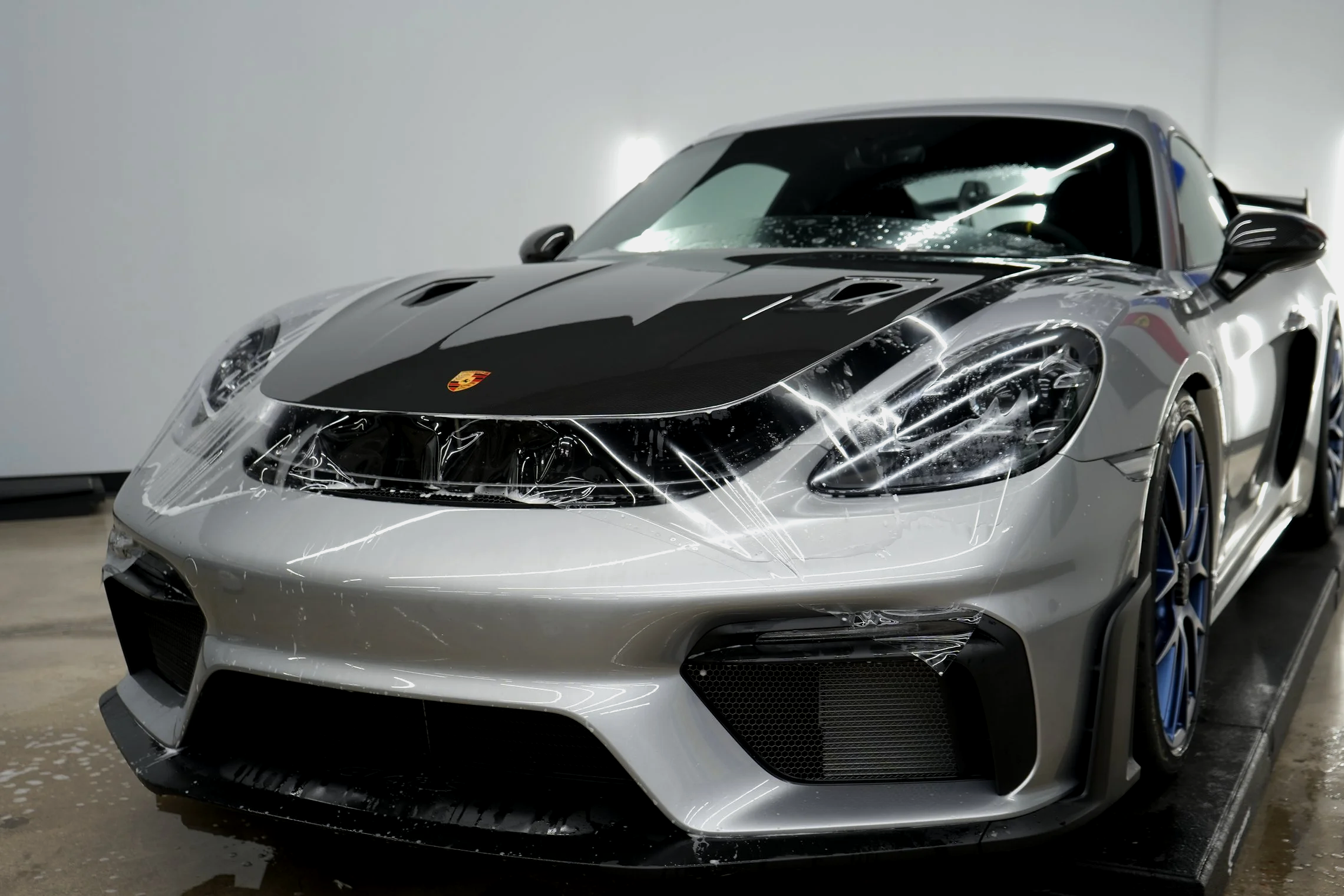
Paint Protection Film
The first scratch hurts the most. So prevent the pain and keep your car looking newer for longer with highly durable, self healing paint protection film. A virtually invisible shield to protect your car from the damages caused by everyday driving.
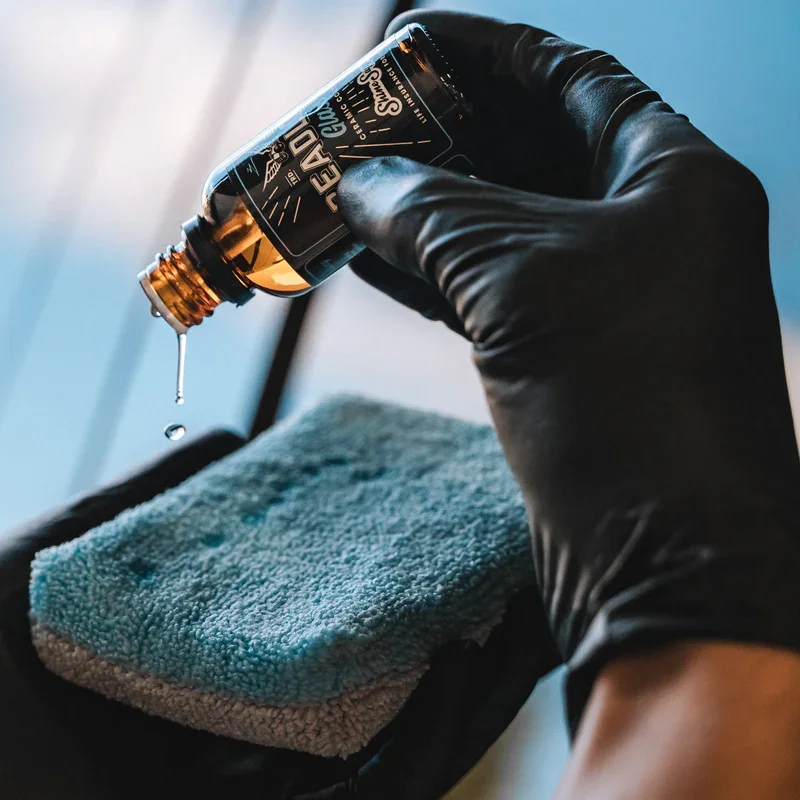
Ceramic Coating
This durable, semi-permanent shield enhances gloss and slickness, offers strong resistance to UV rays, chemicals, and environmental contaminants, and provides hydrophobic properties that repel water and dirt, making the car easier to clean.
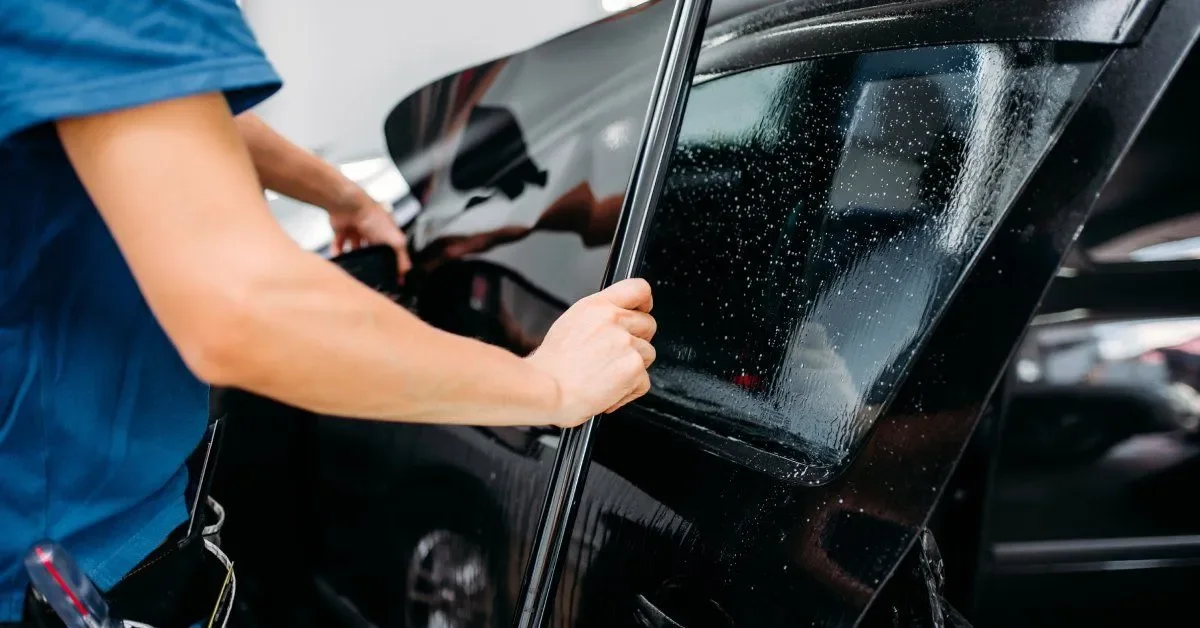
Window Tint
A thin laminate film applied to a vehicle's interior glass to reduce light, heat, and UV rays. Besides blocking sun glare and protecting the interior from fading, it enhances privacy and safety by making it harder to see inside and holding shattered glass together in an accident or attempted break-ins.
FAQs
-
Our address is 601 N Polk St Suite M Pineville, NC.
We are located in the Perimeter Center South shopping complex on the backside of the building directly behind Harbor Freight. Entry to the back of the building is either by Rack attack or Golden State Silk Flowers. From there, you’ll make your way to a caddy corner and see our white garage door that says “Hi-Line” on it
-
Both Ceramic Coating and Paint Protection Film (PPF) help protect your vehicle’s paint, but they protect it in different ways.
Ceramic Coating is a liquid chemical treatment that bonds to your vehicle’s paint, creating a hydrophobic, UV defensive, glossy surface. It helps repel water, dirt, and contaminants, making your vehicle easier to clean while enhancing the appearance of the paint.
Paint Protection Film (PPF) is a clear, durable film applied directly to the paint. It is designed to absorb physical impacts and help protect against rock chips, scratches, and road debris.
In simple terms:
Ceramic Coating is primarily about surface protection, gloss, and easier maintenance, while PPF is primarily about physical protection from chips and scratches.For the ultimate protection, the two can also be used together—PPF provides a physical barrier against impact, while Ceramic Coating adds hydrophobic and gloss-enhancing protection on top.
-
If your vehicle already has significant rock chips, scratches, fading, or other paint damage, PPF may not be the best place to start. PPF is designed to protect good paint from future damage, not repair damage that's already there. In some cases, paint correction or paint refinishing may be recommended before applying PPF.
If the paint is still in good condition and you plan to keep the vehicle for several more years, PPF can still be a great investment—especially if you drive frequently or spend a lot of time on the highway. It can help protect vulnerable areas from rock chips, scratches, and road debris.
If your main goal is to enhance the appearance of the vehicle, add gloss, repel water and contaminants, and make the car easier to maintain, Ceramic Coating may be the better option.
Not sure which is right for your vehicle? We can evaluate the condition of your paint and recommend the protection that makes the most sense for your vehicle, driving habits, and long-term goals.
-
It depends on what you're trying to protect against. PPF is a thicker film that physically absorbs impacts, making it the better choice if you're mainly concerned about rock chips, road debris, and scratches from everyday driving. Ceramic coating doesn't stop physical damage, but it makes your car easier to wash and keeps the paint glossy while protecting against UV fading, water spots, and chemical staining.
Many customers choose both for the most complete protection — PPF on high-impact areas like the front bumper, hood, mirrors, and rocker panels, combined with ceramic coating over the entire vehicle. Ceramic coating can even be applied on top of PPF, adding extra UV protection and making the film itself easier to clean.
Bottom line: PPF protects against damage, ceramic coating protects the look and simplifies maintenance — combining both gives you full coverage. Contact us and we can recommend the right option for your vehicle and budget.
-
Pricing depends on a few factors — your vehicle's size, the level of coverage you choose (partial front-end coverage vs. full vehicle), and the type of film and if a ceramic coating is applied upon request. PPF typically costs more than ceramic coating since it's a thicker, more labor-intensive material, while ceramic coating is generally more affordable but may need reapplication sooner. Combining both for full protection will cost more upfront but offers the most comprehensive coverage.
For an accurate price, call us to schedule an in-person consultation and we'll provide a free estimate based on your vehicle specs and the protection package that fits your needs.
-
For most vehicle owners, yes. Both PPF and ceramic coating protect your paint, preserve resale value, and reduce long-term costs from chip repairs, paint correction, and premature wear. They're especially worth it if you plan to keep your car for several years, drive frequently on highways or gravel roads, own a new or high-end vehicle, or have a paint color that shows swirl marks and imperfections easily. Ceramic coating also cuts down significantly on time spent washing and detailing.
That said, it may make less sense if you plan to return the vehicle soon, don't keep cars long-term, or are working with a limited budget on an older vehicle with existing paint wear.
Simply put: for most daily drivers who care about their car's appearance and value, PPF and/or ceramic coating pay for themselves over time by protecting against damage and depreciation. Contact us to find the right protection package for your vehicle.
-
In most cases, yes — especially for ceramic coating. Ceramic coating bonds to whatever is on your paint's surface, so any existing swirl marks, scratches, oxidation, or imperfections will get sealed in rather than fixed. Paint correction beforehand polishes those defects out, giving you a smoother, glossier finish and making sure the coating bonds properly.
PPF is a bit more forgiving since the film itself covers the paint, but it's still a good idea to correct any significant swirls or scratches first — otherwise they'll still be visible underneath the film, and applying PPF over freshly corrected paint gives the best possible result either way.
New vehicles with minimal paint defects often need only a light polish or paint decontamination rather than full correction. We'll inspect your paint and let you know exactly what's needed before starting any protection service.
-
PPF typically lasts 5–10 years depending on the film quality and maintenance, while ceramic coatings generally last 2–5 years depending on the product used and how well the vehicle is cared for.
-
For the first few days:
Avoid washing your vehicle or driving it in the rain for at least 72 hours after installation — this gives the film or coating time to fully cure and bond to the paint.Ongoing care:
Hand wash using a pH-neutral car soap and a microfiber mitt; avoid automatic car washes with brushes, which can cause scratching or lift film edges.
Rinse off bird droppings, tree sap, and bug splatter as soon as possible — left too long, they can etch into ceramic coating or stain PPF.
Use a microfiber drying towel or a touchless drying method to avoid swirl marks like an air compressor or some clients have even used a leaf blower at a safe distance.
Avoid abrasive sponges, waxes with fillers, or harsh chemical cleaners, which can degrade ceramic coatings over time.
Maintenance boosters:
Applying a ceramic spray/booster every few months can extend hydrophobic performance and add extra gloss, even on top of existing PPF or ceramic coating.Following these steps helps maximize the lifespan of your investment and keeps your vehicle looking its best. Let us know if you have any questions about caring for your specific protection package.
-
Tint reduces heat and glare, blocks harmful UV rays, protects your interior from fading, adds privacy, and improves the overall look of your vehicle.
-
Yes, a 10% deposit is required to schedule an appointment. The deposit amount is based on the estimated cost of the services you're requesting and secures your appointment slot. This deposit will be applied toward your final payment.